Support our educational content for free when you purchase through links on our site. Learn more
🚨 Raspberry Pi Price Gouging: The 2026 Truth (7 Fixes)

Remember the golden age when you could grab a Raspberry Pi for the price of a coffee? Those days feel like a distant memory, don’t they? If you’ve recently tried to buy a board and found yourself staring at a $150+ price tag or an endless “Out of Stock” message, you aren’t crazy. The community is screaming about price gouging, but the reality is a bit more nuanced—and a lot more frustrating. At Why Pi™, we’ve been knee-dep in supply chain data and component costs, and we’re here to tell you exactly what’s happening, who’s actually profiting, and how you can still build your dream project without getting ripped off.
Is it a conspiracy by the Raspberry Pi Foundation, or are we just victims of the AI memory bubble? We dive deep into the LPDDR4 DRAM crisis, expose the scalper networks, and reveal why a Mini PC might actually be the smarter buy for your home lab in 2026. We’ll also share our 7 proven strategies to bypass the markup and find boards at (or near) MSRP. Spoiler alert: The $35 dream isn’t dead, but it’s hiding in plain sight.
Key Takeaways
- It’s Not Gouging, It’s Economics: The official price hikes are driven by a seven-fold increase in LPDDR4 memory costs due to AI demand, not malicious profit-seeking by the Foundation.
- Scalpers Are the Real Villains: While MSRP has risen, secondary market prices are often 2x to 3x higher due to bot-driven hoarding; stick to Authorized Resellers to avoid this.
- The “Right-Size” Strategy Works: You likely don’t need the expensive 8GB model; the 3GB variant or legacy Pi 3B+ offers better value for most hobbyist projects.
- Alternatives Are Viable: For non-GPIO tasks like media servers or home labs, Mini PCs now offer superior performance at a lower total cost than a fully kitted Raspberry Pi 5.
- Hope on the Horizon: Prices are expected to stabilize and potentially drop once the global memory supply chain catches up with AI demand, but patience is key.
👉 Shop Raspberry Pi & Alternatives:
- Raspberry Pi 4 (3GB/4GB): Amazon | Canakit | Micro Center
- Raspberry Pi 5: Amazon | Pimoroni | Official Store
- Mini PC Alternatives: Amazon Mini PCs | Belink Official | GMKtec Official
Table of Contents
- ⚡️ Quick Tips and Facts
- 📜 The History of Raspberry Pi Pricing: From $35 to Sky-High Resale
- 🚨 Unpacking the “Raspberry Pi Price Gouging” Myth vs. Reality
- 📉 Why Are Raspberry Pi Boards So Hard to Find?
- 💸 The Resale Market: Who’s Actually Profiting?
- 🛒 Where to Buy Raspberry Pi Boards Without Getting Ripped Off
- 🆚 Raspberry Pi vs. Alternatives: Is the Premium Worth It?
- 🛠️ How to Spot a Fake or Overpriced Board
- 🧠 Right-Size Your Memory: Do You Really Need the Expensive Model?
- 🌍 A Challenging but Temporary Situation: The Supply Chain Saga
- 🏭 Raspberry Pi for Industry: How B2B Pricing Differs
- 🏠 Raspberry Pi for Home: Budget Hacks for Hobbyists
- 💻 Hardware Deep Dive: What You’re Actually Paying For
- 🖥️ Software Ecosystem: The Real Value Proposition
- 📚 Documentation and Community Support: The Hidden Gems
- 🛍️ Navigating the Official Raspberry Pi Store and Authorized Resellers
- 📰 Raspberry Pi Press: Staying Ahead of the Curve
- 🏆 Top 7 Strategies to Avoid Price Gouging in 2024
- 🔮 Future Outlook: Will Prices Ever Stabilize?
- ✅ Conclusion
- 🔗 Recommended Links
- ❓ FAQ
- 📖 Reference Links
⚡️ Quick Tips and Facts
Before we dive into the deep end of the pricing pool, let’s get the hard truths out of the way. If you’re feeling the pinch at the checkout counter, you aren’t imagining it. Here is the Why Pi™ breakdown of the current landscape:
- The “Memory” Excuse is Real: The primary driver isn’t greed; it’s LPDDR4 DRAM. Prices for this specific type of memory have surged seven-fold in the last year due to AI data center demand. 🤯
- The “Right-Size” Strategy: Raspberry Pi Foundation introduced a 3GB variant of the Pi 4 specifically to let you avoid paying for 4GB or 8GB if you don’t need it. It’s a clever, if slightly confusing, middle ground.
- Not All Boards Are Created Equal: Legacy boards like the Pi Zero 2 W or Pi 3B+ haven’t seen price hikes because they use older LPDDR2 memory, which is still cheap and plentiful.
- The “Mini PC” Pivot: Many home lab enthusiasts are abandoning the Pi 5 for Mini PCs (like those from Belink or Gekom) because the total cost of a functional Pi 5 system (case, cooler, PSU, NVMe) now rivals a powerful x86 mini PC.
- Scalpers vs. Supply Chain: While “price gouging” by scalpers is rampant on eBay, the official MSRP increases are a direct pass-through of component costs, not a profit grab by the Foundation.
If you’ve ever wondered, “Why are Raspberry Pis always sold out?” you’re not alone. We explored this exact phenomenon in our deep dive: 🤔 Why Are Raspberry Pis Always Sold Out?.
📜 The History of Raspberry Pi Pricing: From $35 to Sky-High Resale

Let’s take a trip down memory lane. Remember when you could walk into a store and grab a Raspberry Pi 4 for a flat $35? It feels like a different era, doesn’t it? The original mission of the Raspberry Pi Foundation was noble: democratize computing. They wanted every child, regardless of background, to have access to a computer they could tinker with.
For over a decade, they stuck to this script. Even as component costs fluctuated, the Foundation absorbed the hits. But then, the world changed.
The Perfect Storm
The convergence of the global semiconductor shortage, the pandemic-induced remote learning boom, and the sudden explosion of AI and cryptocurrency mining created a perfect storm. Suddenly, everyone wanted a Pi. Schools, hobbyists, industrial automation firms, and crypto miners were all fighting for the same silicon.
“We’ve said a number of times now that memory prices won’t remain at their current very high level indefinitely… When they do, we will reverse our price increases.” — Eben Upton, CEO of Raspberry Pi
The Foundation tried to hold the line, but the math eventually stopped working. When the cost of a single memory chip jumps 70%, you can’t keep selling the board at the old price without going bankrupt.
The Shift in Philosophy
Critics argue that the Foundation has shifted from a non-profit educational charity to a profit-driven entity. With the creation of a for-profit arm and rumors of an IPO, the community feels a sense of betrayal. The “altruistic mission” seems to be taking a backseat to market realities.
But is it really “gouging,” or is it survival? We’ll dissect the semantics later, but for now, know that the $35 dream is currently on pause for the high-end models.
🚨 Unpacking the “Raspberry Pi Price Gouging” Myth vs. Reality
So, is it price gouging? Or is it just economics? This is the question keeping the maker community up at night. Let’s look at the numbers.
The “Gouging” Argument
When you see a Raspberry Pi 5 8GB jump from $80 to $120 (and then higher with subsequent hikes), it feels like a slap in the face.
- The Scalper Factor: On secondary markets like eBay, you might see boards listed for $250+. This is definitely gouging. It’s pure speculation and scarcity exploitation.
- The “AI Bubble” Blame: Some argue that Raspberry Pi is being held hostage by the AI industry. Data centers are gobling up every ounce of LPDDR4 memory, driving prices up for everyone else.
The “Reality” Argument
However, the official price hikes are a different beast.
- Component Costs: The LPDDR4 DRAM used in the Pi 4 and Pi 5 is the same memory used in high-end smartphones and servers. When the price of that memory skyrockets, the cost of the board must rise.
- No Profit on Hardware: Raspberry Pi has historically operated on razor-thin margins. They don’t make money on the board; they make it on the ecosystem (cases, power supplies, accessories) and the software support.
- Transparency: Unlike many tech giants, Raspberry Pi has been transparent about why prices are rising. They published detailed breakdowns of the memory cost increases.
The Verdict
Scalpers? Yes, they are gouging.
Raspberry Pi Foundation? No, they are passing on costs. It’s painful, but it’s not malicious. They have explicitly stated they will reverse price increases once memory prices stabilize.
“We can’t avoid passing on a portion of these increased costs.” — Eben Upton
📉 Why Are Raspberry Pi Boards So Hard to Find?
If you’ve tried to buy a Pi recently, you know the drill: Out of Stock. Everywhere. Why is this happening?
1. The Memory Bottleneck
It all comes back to LPDDR4. The supply chain for this specific memory is tight. Manufacturers are prioritizing AI servers and high-end smartphones over single-board computers.
2. The “Hoarding” Phenomenon
When rumors of a price hike or a new model (like the Pi 5) leak, the community goes into a frenzy. People buy three or four boards “just in case,” creating artificial scarcity. This is a self-fulfilling prophecy.
3. Supply Chain Fragility
Even with the memory issue resolved, the manufacturing capacity is limited. Raspberry Pi relies on a few key partners (like Sony UK Technology Centre) to assemble the boards. Scaling up production takes time.
The “Right-Size” Solution
To combat this, Raspberry Pi introduced the 3GB Pi 4. It’s a weird spec, but it serves a purpose: it allows users who don’t need 4GB to buy a board that is more likely to be in stock and cheaper.
💸 The Resale Market: Who’s Actually Profiting?
Let’s talk about the elephant in the room: eBay.
The Scalper Ecosystem
Scalpers use bots to snatch up inventory the second it hits the shelves of authorized resellers. They then list them for 2x or 3x the MSRP.
- The Victim: The hobbyist who just wants to build a retro gaming console.
- The Beneficiary: The scalper who makes a quick buck without adding any value.
The “Grey Market”
Some resellers claim they are “authorized” but are actually selling at inflated prices. It’s a grey area. Always check the Raspberry Pi Approved Resellers list before buying.
How to Spot a Scalper
- Price: If it’s significantly above MSRP, it’s a scalper.
- Quantity: If a seller has 50+ units listed, they are likely a bot.
- Location: Many scalpers are based in regions with high demand and low supply.
Pro Tip: If you see a “bundle” that includes a case, power supply, and SD card for a “slight” markup, it might be a legitimate reseller trying to cover shipping costs. But if the board alone is $150, run.
🛒 Where to Buy Raspberry Pi Boards Without Getting Ripped Off
You want a Pi, but you don’t want to pay scalper prices. Here is your battle plan.
1. The Official Approved Resellers
Raspberry Pi maintains a strict list of Approved Resellers. These partners agree to sell at MSRP.
- Pimoroni (UK/Global)
- Canakit (USA)
- Micro Center (USA – In-store only, often has stock!)
- The Pi Hut (UK)
2. The “Restock” Alert
Set up alerts on sites like Stockbot or Discord servers dedicated to Raspberry Pi. When stock drops, you have seconds to buy.
3. Consider the “Legacy” Options
If you don’t need the latest and greatest, the Pi 3B+ or Pi Zero 2 W are still available at MSRP and are plenty powerful for many projects.
4. The “Used” Market
Check Facebook Marketplace or Craigslist. Many people buy a Pi, try it once, and sell it. You can often find them for slightly below MSRP.
👉 CHECK PRICE on:
- Raspberry Pi 4 Model B: Amazon | Micro Center | Raspberry Pi Official Store
- Raspberry Pi 5: Amazon | Canakit | Raspberry Pi Official Store
🆚 Raspberry Pi vs. Alternatives: Is the Premium Worth It?
If the Pi 5 is now $120+, is it still the king of SBCs? Or should you look elsewhere?
The Mini PC Alternative
As noted in the XDA Developers article, Mini PCs are becoming a serious competitor.
- Performance: A Belink or Gekom Mini PC with an Intel N10 processor is often 4x more powerful than a Pi 5.
- Storage: They come with NVMe SSDs built-in. No need for a separate HAT or case.
- OS Compatibility: They run Windows and full Linux distributions natively, without the ARM architecture headaches.
- Price: Often found for $150-$20 fully loaded.
The Verdict
- For Home Labs/Server: Mini PC wins. The price/performance ratio is unbeatable.
- For GPIO/IoT/Robotics: Raspberry Pi still wins. The 40-pin GPIO header is unmatched. If you need to control motors, read sensors, or build a robot, the Pi is the only choice.
“My problem was obvious: I was running server loads on a device never built for them.” — XDA Developers Author
🛠️ How to Spot a Fake or Overpriced Board
With high prices comes high risk of counterfeits. Here is how to protect yourself.
Visual Inspection
- Logo Quality: Fakes often have blurry or misaligned logos.
- Port Alignment: Check the USB and HDMI ports. On fakes, they might be slightly croked.
- Silk Screen: The text on the board should be crisp.
Software Verification
vcgencmd: Run this command in the terminal. If it returns an error or strange values, it might be a fake.cat /proc/cpuinfo: Check the serial number and model.
Price Check
If the price is too good to be true, it’s a fake. If it’s too high, it’s a scalper. Stick to the MSRP range.
🧠 Right-Size Your Memory: Do You Really Need the Expensive Model?
One of the smartest moves Raspberry Pi made was introducing the 3GB variant of the Pi 4. It forces you to ask: Do I really need 8GB?
Memory Needs by Use Case
| Use Case | Recommended RAM | Why? |
|---|---|---|
| Retro Gaming | 1GB – 2GB | Most emulators don’t need more than 1GB. |
| Home Assistant | 2GB – 4GB | Docker containers can be memory hungry, but 2GB is often enough. |
| Media Server (Jellyfin) | 4GB | Transcoding can be memory intensive. |
| AI/ML Projects | 8GB+ | You need the extra headroom for models. |
| Industrial Automation | 4GB – 8GB | Stability and multitasking are key. |
If you are just running a web server or a simple dashboard, the 1GB or 2GB models are still available at MSRP. Don’t pay for RAM you won’t use!
🌍 A Challenging but Temporary Situation: The Supply Chain Saga
Raspberry Pi has been clear: this is a temporary situation.
- The AI Bubble: As the AI hype cols down, memory prices should stabilize.
- New Fab Capacity: Manufacturers are building new factories to meet demand.
- The Promise: “When they do, we will reverse our price increases.”
But how long will “temporary” take? Months? Years? The community is skeptical. The AI boom shows no signs of slowing down.
🏭 Raspberry Pi for Industry: How B2B Pricing Differs
If you are a business, the rules are different.
- Volume Discounts: Large orders can negotiate better prices.
- Long-term Supply: Businesses can secure long-term supply contracts to avoid shortages.
- Customization: The Compute Module series is designed for industrial use, with better reliability and longer lifecycles.
For industry, the price hike is a cost of doing business, not a barrier to entry.
🏠 Raspberry Pi for Home: Budget Hacks for Hobbyists
How can you stay in the hobby without breaking the bank?
- Go Legacy: Use a Pi 3B+ or Zero 2 W.
- Buy Used: Check local markets.
- Build a Cluster: Use multiple cheap boards instead of one expensive one.
- Switch to Mini PC: For non-GPIO tasks, a Mini PC is often cheaper and faster.
💻 Hardware Deep Dive: What You’re Actually Paying For
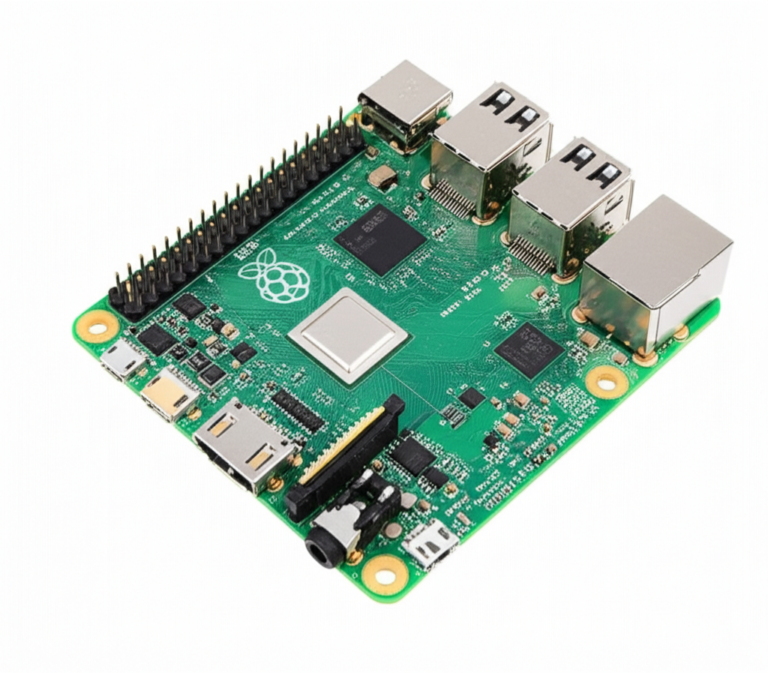
Let’s break down the Bill of Materials (BOM) for a Pi 5.
- SoC (Broadcom BCM2712): The brain. Expensive.
- LPDDR4X Memory: The biggest cost driver.
- PMIC (Power Management IC): Essential for power regulation.
- PCB: The board itself.
- Packaging and Logistics: Shipping and handling.
The memory alone accounts for a massive chunk of the cost. When memory prices rise, the whole board rises.
🖥️ Software Ecosystem: The Real Value Proposition
The hardware is only half the story. The software ecosystem is what makes the Pi valuable.
- Raspberry Pi OS: Optimized for the hardware.
- Community Support: Millions of tutorials, forums, and projects.
- Compatibility: Works with thousands of HATs and accessories.
Even if the hardware is expensive, the software value remains high.
📚 Documentation and Community Support: The Hidden Gems
The Raspberry Pi Foundation invests heavily in documentation and community support.
- Official Docs: Comprehensive and up-to-date.
- Forums: Active and helpful.
- Projects: From RetroPie to Home Assistant, the community builds the software.
This support is free and invaluable. It’s part of what you’re paying for.
🛍️ Navigating the Official Raspberry Pi Store and Authorized Resellers
The Official Store is your best bet for MSRP and authenticity.
- Stock Alerts: Sign up for notifications.
- Bundles: Sometimes bundles are available at a slight discount.
- International Shipping: Check if they ship to your country.
Authorized Resellers are also a good option. They are veted by the Foundation.
📰 Raspberry Pi Press: Staying Ahead of the Curve
Raspberry Pi Press publishes magazines and books that keep you informed.
- Magazines: “The MagPi” is free and packed with projects.
- Books: Great for learning specific skills.
Staying informed helps you make better purchasing decisions.
🏆 Top 7 Strategies to Avoid Price Gouging in 2024
- Wait for Restocks: Be patient.
- Buy Legacy Models: They are still great.
- Check Local Markets: Facebook, Craigslist.
- Use Price Trackers: Set up alerts.
- Consider Alternatives: Mini PCs, Orange Pi, etc.
- Right-Size Your RAM: Don’t buy more than you need.
- Join the Community: Share tips and stock alerts.
🔮 Future Outlook: Will Prices Ever Stabilize?
The consensus is yes, but it might take a while.
- Memory Prices: Expected to stabilize as new fabs come online.
- AI Demand: Might cool down, but unlikely to disappear.
- Raspberry Pi 6: Delayed until prices normalize.
The community is hopeful, but also realistic. The era of the $35 Pi might be over for the high-end models, but the spirit of the project lives on.
✅ Conclusion

The Raspberry Pi price gouging debate is complex. It’s not a simple case of greed; it’s a collision of global supply chain issues, AI demand, and economic reality.
Positives:
- Transparency: Raspberry Pi has been open about the reasons.
- Options: New variants (3GB) and legacy models offer choices.
- Ecosystem: The software and community remain unmatched.
Negatives:
- High Prices: The cost is a barrier for many.
- Scarcity: Hard to find at MSRP.
- Scalpers: Exploiting the shortage.
Our Recommendation:
If you need GPIO or embedded capabilities, buy a Raspberry Pi (preferably a legacy model or the 3GB Pi 4) and pay the MSRP. If you need a home server or media center, buy a Mini PC. It’s cheaper, faster, and easier to set up.
The Raspberry Pi is still a fantastic device, but it’s no longer the budget king it once was. Adapt, or move on.
🔗 Recommended Links
👉 Shop Raspberry Pi on:
- Raspberry Pi 4 Model B: Amazon | Micro Center | Raspberry Pi Official Store
- Raspberry Pi 5: Amazon | Canakit | Raspberry Pi Official Store
- Raspberry Pi Zero 2 W: Amazon | Pimoroni
Recommended Books:
❓ FAQ

Will Raspberry Pi ever be cheap again?
Yes, but it depends on the memory market. Raspberry Pi has promised to reverse price increases once LPDDR4 DRAM prices stabilize. However, given the sustained demand from the AI industry, this could take a significant amount of time.
Read more about “Ultimate Raspberry Pi Retro Gaming Emulation Guide (2026) 🎮”
Is it legal to sell Raspberry Pi projects?
Yes, absolutely. You can sell projects you build using Raspberry Pi boards. The Raspberry Pi Foundation encourages this! However, you cannot sell counterfeit boards or claim your project is an official Raspberry Pi product without permission.
Read more about “🚀 Embedded System Design: The Ultimate 2026 Guide to Building Smarter Devices”
Is Raspberry Pi overpriced?
Subjectively, yes. For the average hobbyist, the current prices feel high. Objectively, no. The prices reflect the actual cost of components, particularly memory. It’s a pass-through cost, not a profit markup.
Why are Raspberry Pi prices so high?
The primary reason is the seven-fold increase in LPDDR4 DRAM prices. This is driven by the AI boom and global supply chain constraints.
Read more about “🍓 Why Are Raspberry Pi So Expensive? (2026)”
Why are Raspberry Pi prices still so high in 2024?
Because the AI demand for memory is still insatiable. Until the market balances out, prices will remain elevated.
Read more about “🤔 Why Are Raspberry Pis Always Sold Out? (2026)”
Is Raspberry Pi price gouging a temporary issue or permanent?
Raspberry Pi states it is temporary. They have committed to lowering prices when component costs normalize. However, the timeline is uncertain.
Where can I buy Raspberry Pi at MSRP without scalpers?
Stick to Authorized Resellers like Pimoroni, Canakit, Micro Center, and the Official Raspberry Pi Store. Avoid eBay and random third-party sellers.
How does Raspberry Pi price gouging affect the maker community?
It creates a barier to entry for new makers and forces experienced makers to seek alternatives or wait longer. It also fuels the scalper market, making it harder for genuine users to find stock.
📖 Reference Links
- Raspberry Pi News: A new 3GB Raspberry Pi 4 for $83.75 and more memory-driven price increases
- Hackster.io: Raspberry Pi hikes prices by up to 150% as the AI bubble hits hard
- XDA Developers: Raspberry Pi 5’s price hike pushed me toward mini PCs, and now I…
- Raspberry Pi Foundation Official Website
- Why Pi™: Why Are Raspberry Pis Always Sold Out?
- Why Pi™: Electronics Industry News
- Why Pi™: Electronic Component Reviews
- Why Pi™: DIY Electronics