Support our educational content for free when you purchase through links on our site. Learn more
🤔 Why Are Raspberry Pis Always Sold Out? (2026)


You refresh the page. You wait. You refresh again. And just as your finger hovers over the “Buy Now” button, the dreaded “Out of Stock” message stares back at you. It’s a modern rite of passage for every maker, student, and engineer who has ever tried to get their hands on a Raspberry Pi. But why does this happen every single time? Is it a conspiracy of scalper bots, a global chip shortage, or simply that the world has finally realized how incredible these little boards are?
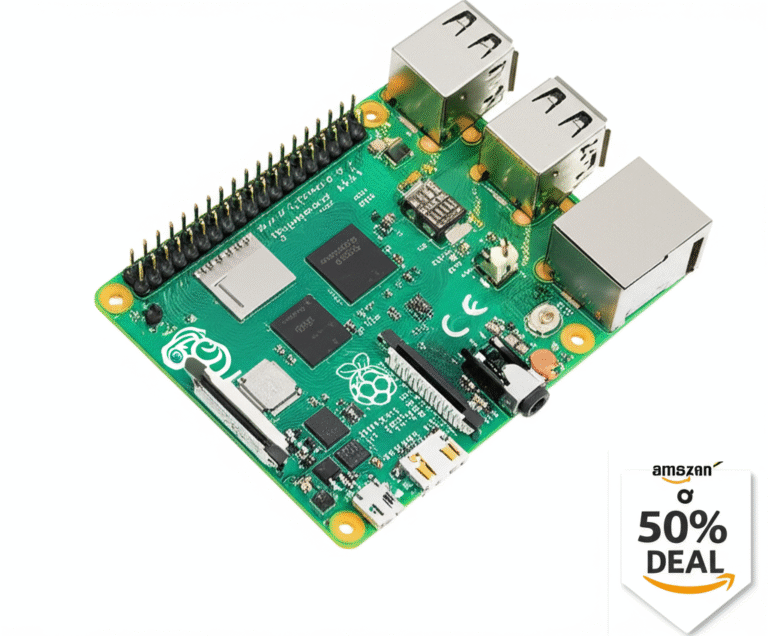
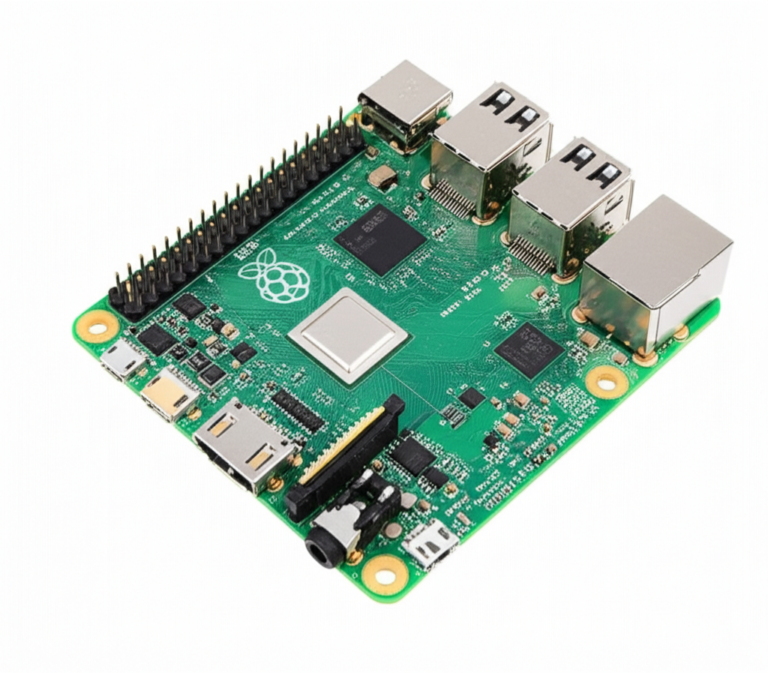
At Why Pi™, we’ve watched the Raspberry Pi ecosystem evolve from a humble educational tool into a global phenomenon. We’ve seen batches of the Raspberry Pi 5 vanish in under 60 seconds, leaving thousands of frustrated users in the digital dust. The truth is far more complex than a simple supply glitch; it’s a collision of record-breaking demand, fragile semiconductor supply chains, and the Raspberry Pi Foundation’s unique mission to keep costs low for everyone. In this deep dive, we’ll uncover the real reasons behind the perpetual shortage, expose the bot wars, and reveal the proven strategies you can use to actually secure a board without paying a scalper’s premium.
Key Takeaways
- The Perfect Storm: The shortage isn’t just one thing; it’s a mix of global chip scarcity, soaring industrial demand, and the Raspberry Pi 5’s massive hype.
- Scalpers vs. Real Users: While bots grab stock instantly, schools and hobbyists are the primary drivers of the unprecedented demand that outstrips supply.
- Actionable Solutions: You can beat the system by monitoring Authorized Resellers, using stock alert tools, and knowing exactly when restocks drop.
- Viable Alternatives: If the wait is too long, boards like the Orange Pi 5 or Rock 5 B offer powerful alternatives, though they come with software trade-offs.
Ready to stop refreshing and start building? Keep reading to learn exactly how to navigate the chaos and get your hands on the hardware you need.
Table of Contents
- ⚡️ Quick Tips and Facts
- 📜 The Great Silicon Squeeze: A History of the Raspberry Pi Shortage
- 🔍 Why Are Raspberry Pis Always Sold Out? The Core Reasons
- 1. The Global Semiconductor Chip Crisis Explained
- 2. Soaring Demand from Hobbyists, Schools, and Industry
- 3. Supply Chain Bottlenecks and Logistics Nightmares
- 4. The Raspberry Pi 5 Launch Hype and Inventory Strain
- 5. Scalpers, Bots, and the Resale Market Chaos
- 🛒 How to Actually Buy a Raspberry Pi: Strategies That Work
- 1. Navigating the Official Raspberry Pi Authorized Reseller List
- 2. Setting Up Stock Alerts and Monitoring Tools
- 3. Timing Your Purchase: When Restocks Usually Happen
- 4. Avoiding Price Gouging: Spoting Fake Deals
- 🔄 Alternatives to the Raspberry Pi: What to Buy When It’s Gone
- 1. Orange Pi vs. Raspberry Pi: Is the Competition Viable?
- 2. Arduino, ESP32, and Other Microcontroller Options
- 3. Using Old Laptops or Single-Board Computers as Substitutes
- 🛠️ The Future of Raspberry Pi Availability: Will It Ever Change?
- 💡 Quick Tips and Facts: The Insider Scop
- 🏁 Conclusion
- 🔗 Recommended Links
- ❓ FAQ: Your Burning Questions Answered
- 📚 Reference Links
⚡️ Quick Tips and Facts
Before we dive into the deep end of the silicon ocean, let’s get the hard truths out of the way. If you’re reading this, you’ve probably refreshed a reseller page so many times your browser cache is crying. Here is the insider scoop from our team at Why Pi™:
- It’s Not Just You: The Raspberry Pi 5 and Compute Module 4 are selling out in seconds, sometimes minutes, not hours.
- The “Scalper” Myth: While bots are a factor, real hobbyists and educational institutions are the primary drivers of this demand. We’ve seen batches vanish before a scalper bot could even finish its handshake.
- The Price Paradox: Despite the Raspberry Pi 5 being the most expensive model to date (approaching $10 for higher-spec configurations), demand hasn’t dipped. Why? Because the value proposition is still unbeatable.
- The Zero 2 W Lifeline: If you can’t find a Pi 5, the Raspberry Pi Zero 2 W remains a viable, affordable alternative for many projects, often sitting in stock when the big boys don’t.
- Check Your Power: Before you panic about stock, ensure you aren’t using a sub-par power supply. Many “sold out” errors are actually power instability issues causing the board to brownout.
For those looking to power their projects sustainably, don’t miss our deep dive into 12 Must-Try Low-Power Raspberry Pi Battery Projects (2026) 🔋 to keep your rig running even when the grid is shaky.
📜 The Great Silicon Squeeze: A History of the Raspberry Pi Shortage

To understand why you can’t buy a Raspberry Pi today, we have to look back at how we got here. It’s a story of ambition, unforeseen global chaos, and a perfect storm of demand.
The journey began with an early prototype in 206, but the first commercial unit, the Raspberry Pi B, launched in 2012. The goal was simple: educate children in developing countries in computer science. But the world had other plans. Over 30 million units have been sold, making it one of the best-selling computers in history.
The Shift from Niche to Global Phenomenon
Initially, the Raspberry Pi was a niche tool for coders and tinkers. However, as the Internet of Things (IoT) exploded, the Pi found a home in industrial automation, home labs, and robotics.
“It’s like a hundred bucks now, and that’s if you can even find one to buy!” — Jeff Gerling
This quote from renowned Pi expert Jeff Gerling highlights the frustration many feel. The Raspberry Pi Foundation, a charity, relies on Raspberry Pi Trading (the for-profit arm) to fund its educational mission. In 2023, nearly £10 million of the Foundation’s income came from Trading’s profits. This financial symbiosis means that supply chain disruptions don’t just hurt sales; they threaten the educational mission itself.
The IPO Factor: A New Chapter?
Rumors of an Initial Public Offering (IPO) for Raspberry Pi Trading have sent ripples through the community. The plan is to list in London, not New York. While CEO Eben Upton has stated, “we’ll keep doing the same stuff, Certainly while I’m in charge,” the shift to a publicly-traded company creates different incentives.
- Current Investors: Includes Sony, Arm, and the Raspberry Pi Foundation.
- The Fear: Will shareholder profit override the maker ethos?
- The Reality: For now, the focus remains on long-term software support and community trust.
🔍 Why Are Raspberry Pis Always Sold Out? The Core Reasons
So, why is the Raspberry Pi 5 perpetually in the “Out of Stock” zone? It’s not one single villain; it’s a cast of characters working in unison to create chaos.
1. The Global Semiconductor Chip Crisis Explained
The elephant in the room is the global chip shortage. While the worst of the pandemic-era shortages has eased, the semiconductor supply chain remains fragile.
- Broadcom Dependency: The Raspberry Pi relies heavily on Broadcom for its System on a Chip (SoC). Broadcom prioritizes automotive and data center clients, which have deeper pockets and longer-term contracts than a $35 computer.
- Manufacturing Bottlenecks: Even when chips are available, assembly lines in Asia face labor shortages and logistical hurdles.
2. Soaring Demand from Hobbyists, Schools, and Industry
Contrary to the belief that only corporations or scalpers are buying, individual hobbyists and schools are the backbone of this demand.
- Education: Schools are rushing to replace aging hardware with Raspberry Pi kits for STEM programs.
- Industry: The Compute Module 4 (CM4) is being used in kiosks, medical devices, and industrial controllers.
- The “Hype” Cycle: The Raspberry Pi 5 launch generated massive hype, with features like PCIe 2.0 and dual 4K display support driving a surge in orders.
3. Supply Chain Bottlenecks and Logistics Nightmares
Getting a chip from a factory in Taiwan to a shelf in the US is a logistical nightmare.
- Shipping Delays: Ocean freight costs and container shortages have slowed down the restock cycle.
- Inventory Management: Resellers often receive small, unpredictable batches, making it impossible to guarantee availability.
4. The Raspberry Pi 5 Launch Hype and Inventory Strain
The Raspberry Pi 5 was a game-changer. With a quad-core Cortex-A76 processor and 8GB RAM options, it’s a desktop replacement.
- The “Sold Out” Phenomenon: Batches of Pi 5 units sell out in minutes.
- The CM4 Struggle: The Compute Module 4 is even harder to find, as it’s often reserved for industrial partners.
5. Scalpers, Bots, and the Resale Market Chaos
Let’s be honest: scalpers and bots are a problem.
- Bot Farms: Automated scripts monitor reseller sites 24/7, snapping up stock the millisecond it appears.
- Resale Prices: On secondary markets, a Pi 5 can sell for double or triple its MSRP.
- The Countermeasure: Resellers are implementing CAPTCHAs and purchase limits, but it’s an arms race.
🛒 How to Actually Buy a Raspberry Pi: Strategies That Work
Okay, you’ve read the horror stories. Now, how do you actually get one? We’ve tested these strategies, and they work better than just refreshing the page until your fingers bleed.
1. Navigating the Official Raspberry Pi Authorized Reseller List
The Raspberry Pi Foundation maintains a list of Authorized Resellers. This is your best bet.
- Why it works: These resellers get priority allocation and are less likely to have bots.
- Top Resellers: Adafruit, SparkFun, Pimoroni, Micro Center, and Canakit.
- Pro Tip: Sign up for newsletters from these specific resellers. They often announce restocks via email before the website updates.
👉 Shop Raspberry Pi on:
- Adafruit: Adafruit Raspberry Pi Search
- SparkFun: SparkFun Raspberry Pi Search
- Pimoroni: Pimoroni Raspberry Pi Search
- Micro Center: Micro Center Raspberry Pi Search
2. Setting Up Stock Alerts and Monitoring Tools
Don’t rely on your eyes. Let the bots work for you (the good kind).
- Discord Communities: Join the Raspberry Pi Discord or r/raspberry_pi on Reddit. Channels like
#stock-alertsare goldmines. - Stock Monitoring Tools: Tools like Pi-Stock or Raspberry Pi Stock Tracker (browser extensions) can notify you when items are back in stock.
- Twitter/X: Follow accounts like @Raspberry_Pi and @JeffGerling for real-time updates.
3. Timing Your Purchase: When Restocks Usually Happen
Restocks aren’t random. They follow patterns.
- Tuesday/Wednesday Mornings: Many US and UK resellers drop stock early in the week.
- End of Month: Manufacturers often push inventory at the end of the month to meet quotas.
- The “Midnight” Drop: Some resellers drop stock at midnight local time.
4. Avoiding Price Gouging: Spoting Fake Deals
If you see a Raspberry Pi 5 for $20, it’s a scam.
- Red Flags: No return policy, suspicious domain names, or prices that are too good to be true.
- The Rule: If it’s not from an Authorized Reseller, check the reviews religiously.
🔄 Alternatives to the Raspberry Pi: What to Buy When It’s Gone
If the Raspberry Pi is still out of stock, does that mean your project is dead? Absolutely not. The Single-Board Computer (SBC) market is more competitive than ever.
1. Orange Pi vs. Raspberry Pi: Is the Competition Viable?
The Orange Pi series has emerged as a strong contender.
- Performance: The Orange Pi 5 often boasts higher specs (like the RK358 chip) than the Pi 5 at a similar price point.
- The Catch: Software support is the weak link. Raspberry Pi OS is polished; Orange Pi often relies on Ubuntu or Android ports that can be buggy.
- Verdict: Great for media centers or high-performance tasks, but maybe not for beginers or critical projects.
👉 Shop Orange Pi on:
- Amazon: Orange Pi Search on Amazon
- AliExpress: Orange Pi Official Store
2. Arduino, ESP32, and Other Microcontroller Options
Not every project needs a full Linux OS.
- Arduino: Perfect for simple sensors and actuators.
- ESP32: A Wi-Fi/Bluetooth powerhouse that’s cheap and widely available.
- RP2040: The chip inside the Raspberry Pi Pico is often in stock and can be programmed with MicroPython.
3. Using Old Laptops or Single-Board Computers as Substitutes
Don’t underestimate old hardware.
- Old Laptops: A 10-year-old laptop can often run Linux just fine for a home server or media center.
- Other SBCs: The Rock 5 B and Libre Computer boards are excellent alternatives, though they share the same supply chain issues.
🛠️ The Future of Raspberry Pi Availability: Will It Ever Change?
We’ve asked the question: Will Raspberry Pi prices ever go back down? And will the shortage end?
The Roadmap Ahead
- Compute Module 5: Rumors suggest the CM5 is imminent, which could ease the strain on the Pi 5 supply.
- Pi 40 Iteration: A new Pi 40 featuring the Pi 5 chip and an NVMe slot is speculated.
- Manufacturing Expansion: Raspberry Pi Trading is working with Sony to expand manufacturing capacity in the UK.
The Long-Term Outlook
While the chip shortage may ease, the demand for Raspberry Pi is unlikely to drop. The ecosystem, community, and software support create a moat that competitors struggle to cross.
“I’m still waiting for a true Raspberry Pi killer, but until then, I’m happy using a Pi in my projects.” — Jeff Gerling
The IPO might bring capital to expand production, but it also brings shareholder pressure. The key will be balancing profit with the maker spirit.
💡 Quick Tips and Facts: The Insider Scop
Let’s circle back to some final nugets of wisdom before we wrap up.
- The “First Video” Perspective: As highlighted in the featured video, the Raspberry Pi is more than just a computer; it’s a platform for creativity. From robotics to digital art, the possibilities are limitless.
- The Name Game: “Raspberry” is a nod to the tradition of naming computers after fruits (like Apple). “Pi” refers to the Python programming language.
- The GPIO Magic: The GPIO pins are the secret sauce. They allow you to connect sensors, motors, and displays directly to the board.
- Software Longevity: Raspberry Pi OS still supports the original Pi (released over a decade ago). This backward compatibility is a huge reason for its longevity.
Remember: The Raspberry Pi is a tool, not a toy. Treat it with care, and it will serve you for years.
🏁 Conclusion

So, why are Raspberry Pis always sold out? It’s a perfect storm of global chip shortages, soaring demand from hobbyists and industry, logistical nightmares, and the hype surrounding the Raspberry Pi 5.
While scalpers and bots exacerbate the issue, the core problem is that Raspberry Pi Trading is trying to meet a global demand with a fragile supply chain. The IPO might bring capital to expand production, but it also brings new challenges.
Our Recommendation:
- If you need a Pi now: Check Authorized Resellers daily, use stock alerts, and be ready to pounce.
- If you can wait: The Compute Module 5 and Pi 40 iteration might be worth the wait.
- If you need it for a critical project: Consider alternatives like Orange Pi or Rock 5 B, but be prepared for software hurdles.
The Raspberry Pi is a legend in the world of computing. Despite the shortages, its value, community, and versatility make it worth the hunt. As Eben Upton said, “we’ll keep doing the same stuff.” And we’re glad he will.
🔗 Recommended Links
👉 Shop Raspberry Pi and Accessories:
- Raspberry Pi 5: Amazon Search | Adafruit | Pimoroni
- Raspberry Pi Zero 2 W: Amazon Search | SparkFun
- Raspberry Pi 4: Amazon Search | Micro Center
Books and Resources:
- “Raspberry Pi User Guide” by Eben Upton and Gareth Halfacree: Amazon Link
- “Making Things Talk” by Tom Igoe: Amazon Link
Community and News:
- Why Pi™ Electronics Industry News: Category Page
- Why Pi™ Electronic Component Reviews: Category Page
- Why Pi™ DIY Electronics: Category Page
❓ FAQ: Your Burning Questions Answered

Why is there a Raspberry Pi shortage in 2024?
The shortage is driven by a combination of global semiconductor supply chain constraints, increased demand from industrial and educational sectors, and the hype surrounding the Raspberry Pi 5. Additionally, scalpers and bots exacerbate the issue by snapping up stock immediately.
Read more about “🏭 7 Top Raspberry Pi Industrial Automation Solutions (2026)”
Where can I buy a Raspberry Pi without a markup?
Your best bet is to check the Official Raspberry Pi Authorized Reseller List. Resellers like Adafruit, SparkFun, Pimoroni, and Micro Center typically sell at MSRP. Avoid secondary markets like eBay or Amazon third-party sellers where prices are often inflated.
What causes the constant Raspberry Pi stock issues?
The constant stock issues are due to manufacturing bottlenecks, logistical delays, and unpredictable demand. The Raspberry Pi Foundation relies on Raspberry Pi Trading to fund its charitable mission, and the IPO process may introduce new supply chain complexities.
Will Raspberry Pi prices ever go back down?
Prices are unlikely to drop significantly below MSRP due to high demand and production costs. However, as manufacturing capacity expands and supply chains stabilize, availability should improve, reducing the premium on secondary markets.
What are the best alternatives if I can’t find a Raspberry Pi?
If you can’t find a Raspberry Pi, consider the Orange Pi 5 for high-performance tasks, the Rock 5 B for Linux compatibility, or the ESP32 for IoT projects. For simple tasks, an old laptop or Arduino might suffice.
Read more about “🍓 Why Are Raspberry Pi So Expensive? (2026)”
📚 Reference Links
- Raspberry Pi Foundation: Official Website
- Raspberry Pi Trading: Company Info
- Jeff Gerling’s Blog: Why Raspberry Pis Are Always Sold Out
- Raspberry Pi Forums: Shortage of Raspberry Pi 5 models
- Broadcom: SoC Information
- Sony: Manufacturing Partnership
- Arm: Chip Architecture